
Increase And Decrease Crochet
Increase And Decrease Crochet - An increase is made when you work 2 stitches in the same space. One increasing stitch will increase your row/round stitch count by one stitch. First, let's start with increasing. Furthermore, the video tutorial will also show you the difference between a single crochet and a slip stitch. Web it may seem daunting to increase and decrease your crochet stitches evenly across a row. Yarn over and pull through first 2 loops (2 loops on hook). Knowing how to increase and decrease in crochet is easily done. This is typically done by adding one or more stitches at the beginning and end of each row. Web today we will be learning how to increase and decrease in crochet. Whether you’re working on a hat, a sweater, or a blanket, the crochet increase calculator will save you time and effort by doing the math for you. Web discover how to decrease in crochet with stitch guide for beginners. Yarn over and insert your hook into the first stitch, then pull up a loop (three loops on your hook). Web the decrease and increase evenly calculator will help you figure out how many stitches you should either knit or crochet before you decrease or increase evenly. This article shows you how to increase and decrease when working the basic stitches in rows. Web what is the difference between an increase and decrease in crochet? Web how to crochet the invisible decrease and increase stitch. This is typically done by adding one or more stitches at the beginning and end of each row. Web follow these steps: Step by step photo tutorial for the invisible increase and decrease. Enjoy this free crochet tutorial on how to how to increase and decrease evenly across a row and you'll be on your way in no time. Web today we will be learning how to increase and decrease in crochet. First, let's start with increasing. Learn to make an increase by creating two stitches in the space of one stitch and making a decrease by combing two. Yarn over and insert your hook into the first stitch, then pull up a loop (three loops on your hook).. This article shows you how to increase and decrease when working the basic stitches in rows. Web what is the difference between an increase and decrease in crochet? Web how to increase and decrease in crochet. Yarn over and pull through two loops on the hook (two loops remaining on the hook). What is the purpose of increasing in crochet. Web how to increase in crochet. Furthermore, the video tutorial will also show you the difference between a single crochet and a slip stitch. Web this handy tool takes away the guesswork and helps you determine the correct number of increases and decreases for your project with ease. Knowing how to increase and decrease in crochet is easily done. Web. I have also included some tips and tricks to help you master these skills. An increase is made when you work 2 stitches in the same space. Explore crochetpedia for more info! Learn techniques like single crochet decrease and invisible decrease. Web discover how to decrease in crochet with stitch guide for beginners. For example, if you have a row of 10 stitches, making a single crochet decrease will give. Push bobble to the right side of fabric. This method is simple but essential for shaping and expanding various crochet projects. A single crochet decrease is a way to remove a stitch from your work. Explore crochetpedia for more info! A single crochet increase is the most basic form of increasing. Web what is the difference between an increase and decrease in crochet? Web how to crochet the invisible decrease and increase stitch. Push bobble to the right side of fabric. Web you will also learn how to increase and decrease with the single crochet. A single crochet increase is the most basic form of increasing. An increase adds stitches to your work, making it larger, while a decrease reduces the number of stitches, making it smaller. Whether you’re working on a hat, a sweater, or a blanket, the crochet increase calculator will save you time and effort by doing the math for you. I. Web it's time to master a new crochet skill: Web you will also learn how to increase and decrease with the single crochet. Web crochet increases and decreases are used to create shape and volume in your crochet pieces. Increases and decreases are used in garment making and to add visual interest to straight. Identify the two stitches you want. This is how crochet circles become hats or amigurumi and how clothing becomes flattering to the fit instead of just lumpy and chunky. How to crochet bobbles in a contrasting colour. Identify the two stitches you want to decrease over. Web it may seem daunting to increase and decrease your crochet stitches evenly across a row. Luckily, we have discovered. First, let's start with increasing. A single crochet decrease is a way to remove a stitch from your work. Web a crochet increase involves making more than one stitch into the same stitch from the previous row. In essence, you increase by working two stitches in one space and decrease by working two stitches together. Web by learning how to. Web discover how to decrease in crochet with stitch guide for beginners. Web learn how to increase and decrease in crochet using basic stitches. Step by step photo tutorial for the invisible increase and decrease. Web yarn over and pull up a loop (3 loops on hook). In essence, you increase by working two stitches in one space and decrease by working two stitches together. Increases and decreases are used in garment making and to add visual interest to straight. Web increase in crochet is one of the basic techniques you should master, especially if you are a beginner. Unless you are crocheting a simple blanket, or something of uniform shape, you are going to need to increase and decrease the stitches in your pattern while using your crochet hook. In this tutorial, we will be using the single crochet stich as an example of how to increase in crochet. In this article, i have broken down several different techniques for increasing and decreasing in crochet. One increasing stitch will increase your row/round stitch count by one stitch. A single crochet decrease is a way to remove a stitch from your work. Web today we will be learning how to increase and decrease in crochet. Web crochet increases and decreases are used to create shape and volume in your crochet pieces. For example, if you have a row of 10 stitches, making a single crochet decrease will give. Web a crochet increase involves making more than one stitch into the same stitch from the previous row.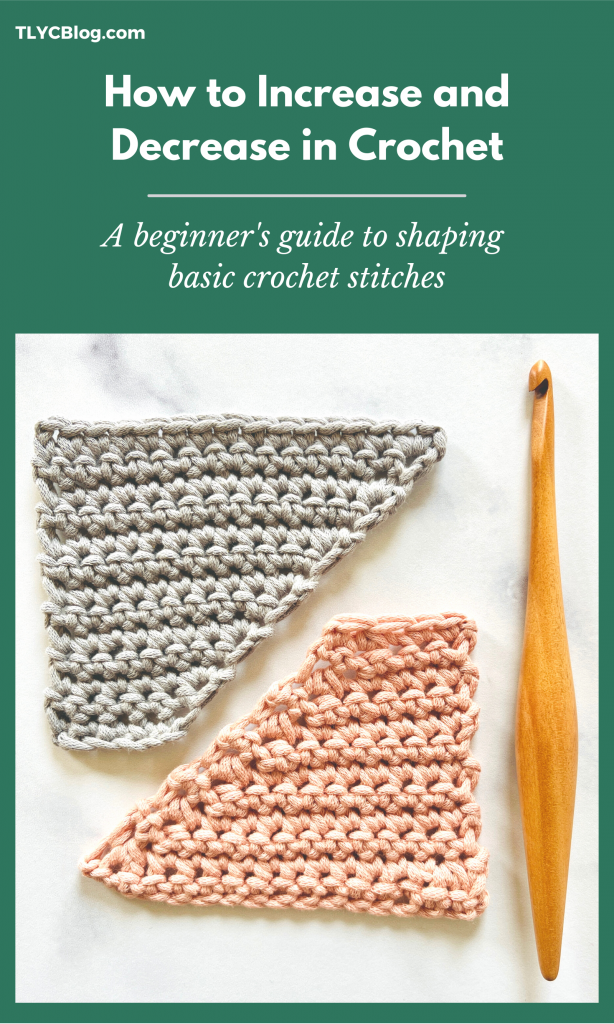
How to Increase and Decrease in Crochet TL Yarn Crafts
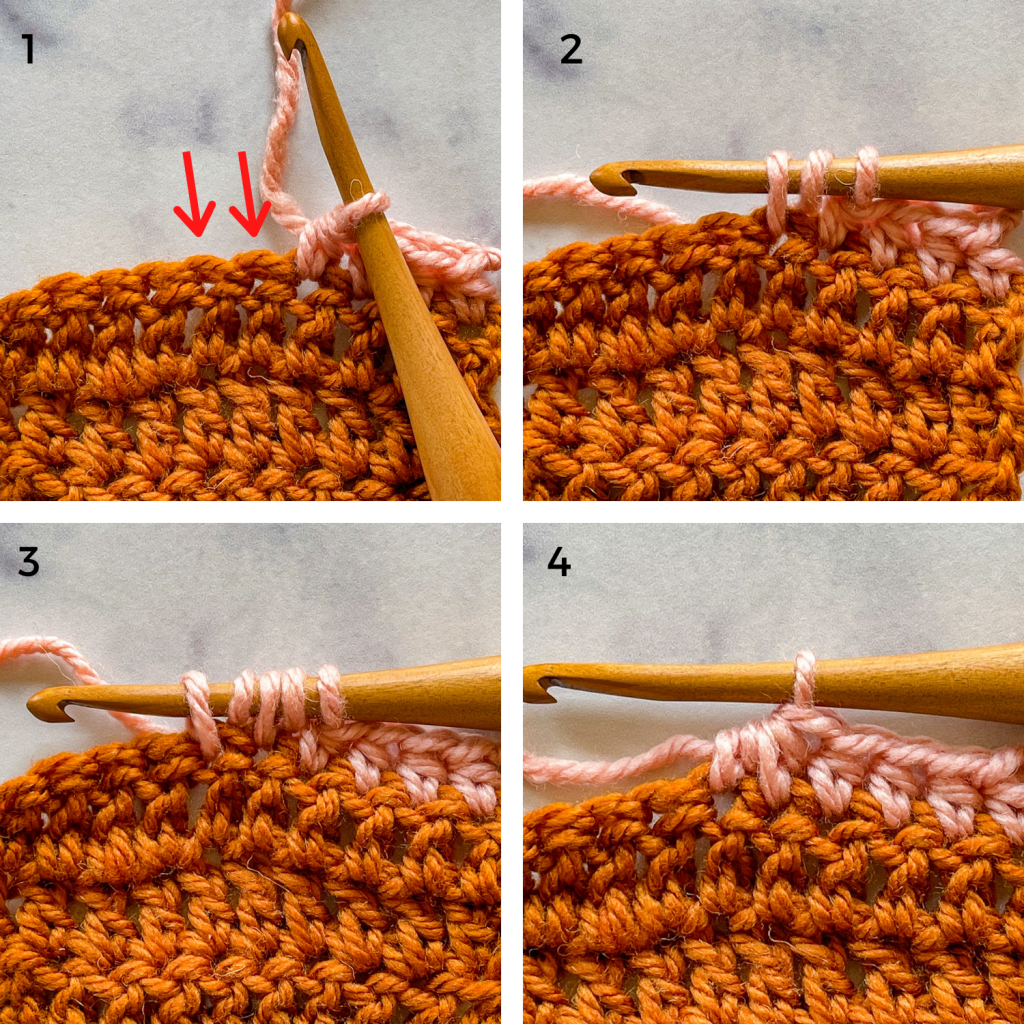
How to Increase and Decrease in Crochet TL Yarn Crafts
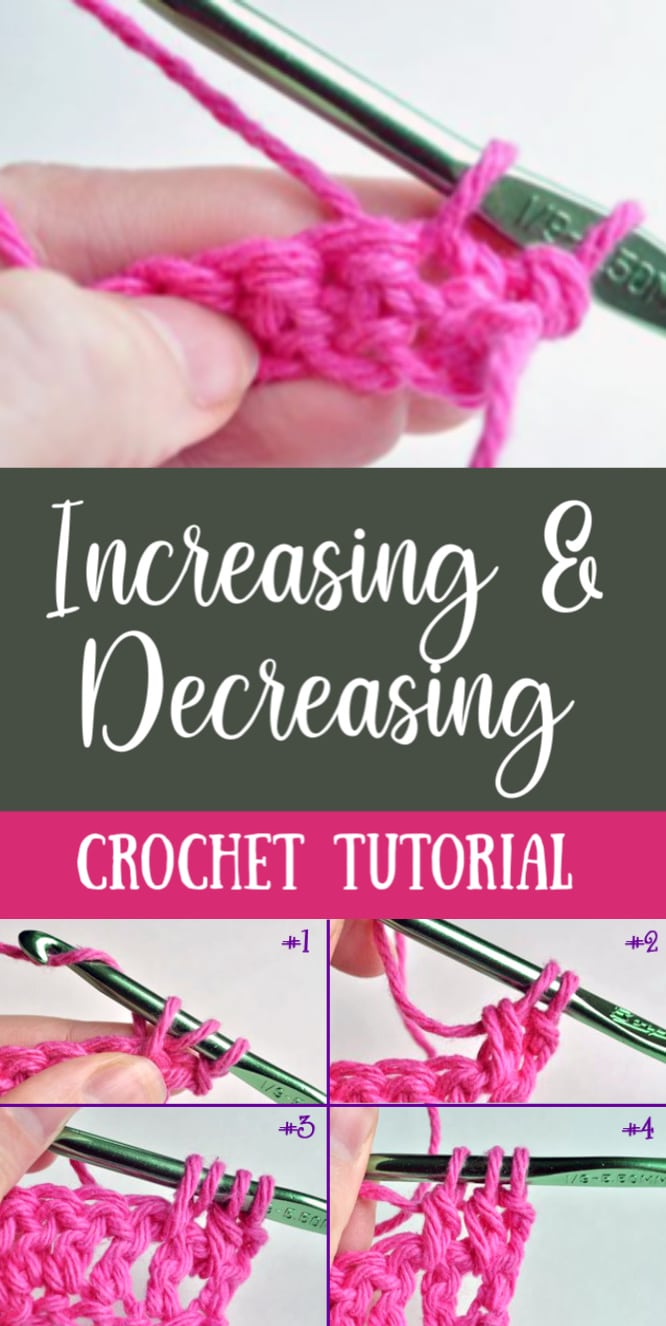
Increasing and Decreasing in Crochet Free Crochet Tutorial My Merry
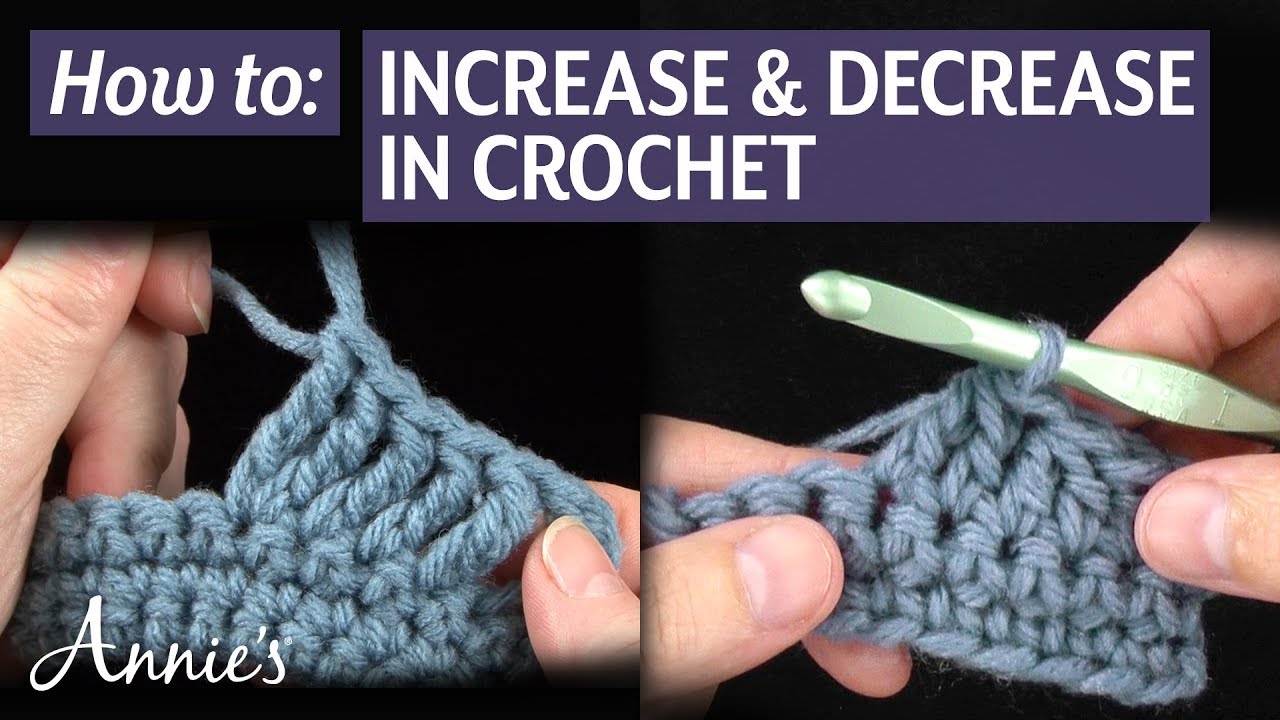
Increase & Decrease in Crochet An Annie's Tutorial YouTube

How to Increase and Decrease in Crochet TL Yarn Crafts
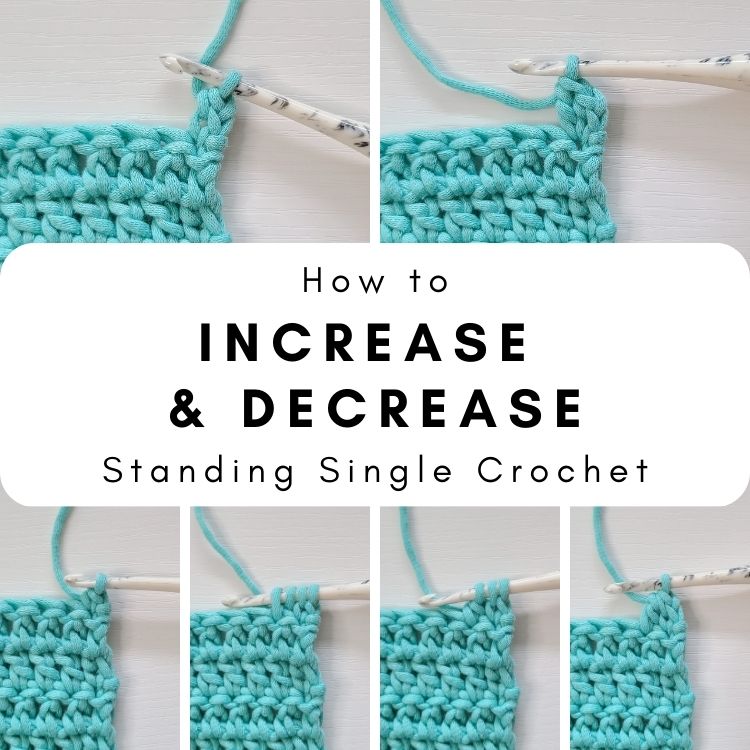
How to Increase and Decrease Stacked Single Crochet
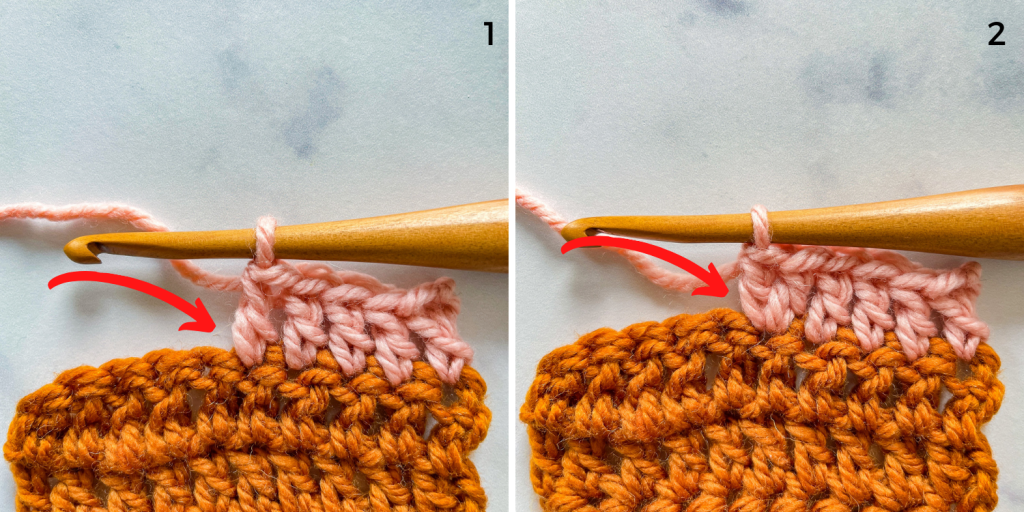
How to Increase and Decrease in Crochet TL Yarn Crafts

Invisible Increase and Invisible Decrease Crochet Techniques Tiny

How to Increase and Decrease in Crochet
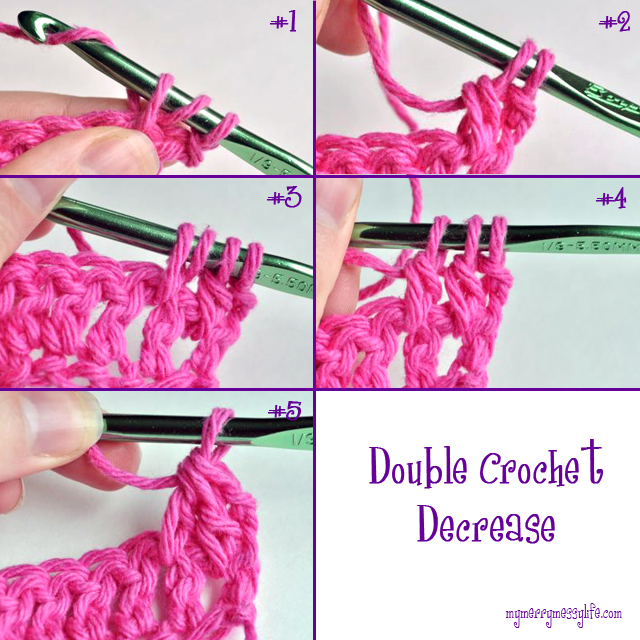
Increasing and Decreasing in Crochet {free crochet tutorial} My Merry
I Have Also Included Some Tips And Tricks To Help You Master These Skills.
Explore Crochetpedia For More Info!
An Increase Adds Stitches To Your Work, Making It Larger, While A Decrease Reduces The Number Of Stitches, Making It Smaller.
Push Bobble To The Right Side Of Fabric.
Related Post: